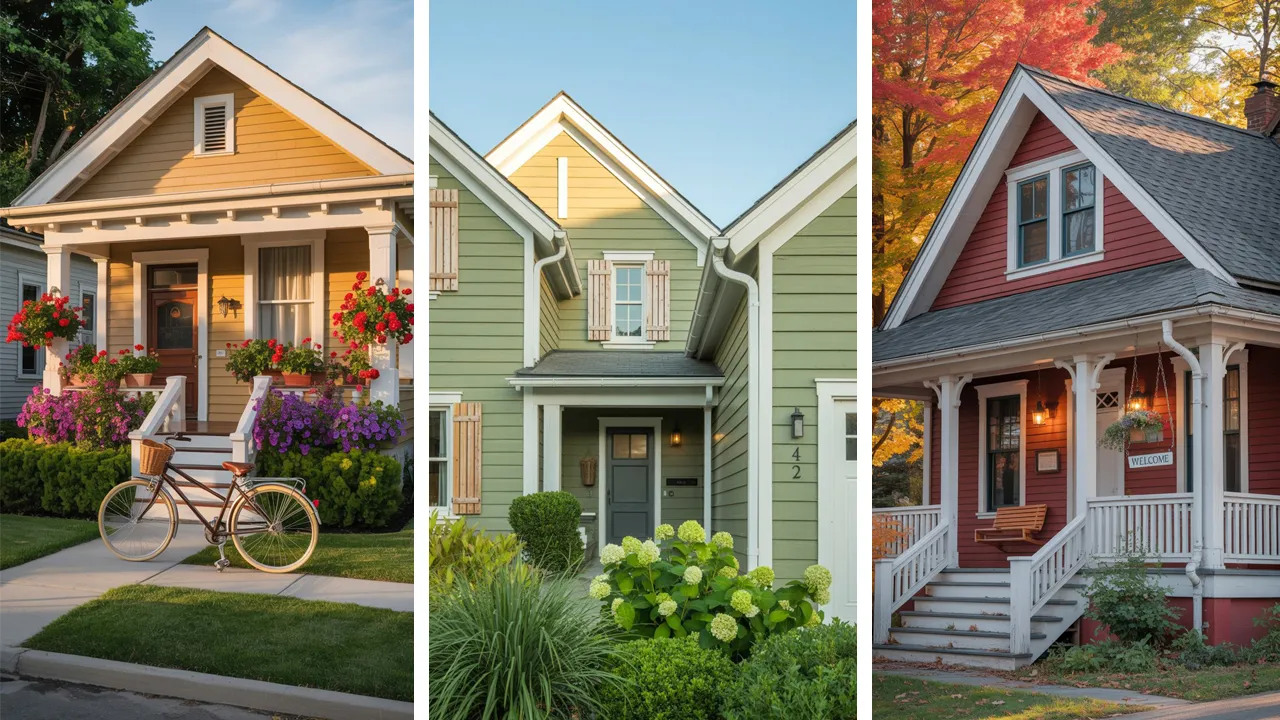
Discover the trending exterior house colors making waves across the USA in 2025. Whether you’re planning to sell or just boost curb appeal, these 15 color ideas—complete with detailed descriptions, actionable steps, and pro tips—will inspire your next home exterior update.
Table of Contents
- Earthy Sage Green
- Warm Terracotta
- Coastal Breezy Blue
- Rich Brown
- Modern Charcoal Gray
- Calming Linen Beige
- Inviting Warm White
- Soft Autumn Red
- Green & Brown Earth Tones Combo
- Statement Black
- Muted Flagstone Gray
- Bracing Blue-Gray
- Cheerful Yellow
- Fresh Snow White
- Warm Cinnamon Slate
- Tips for Choosing Exterior Colors
Earthy Sage Green
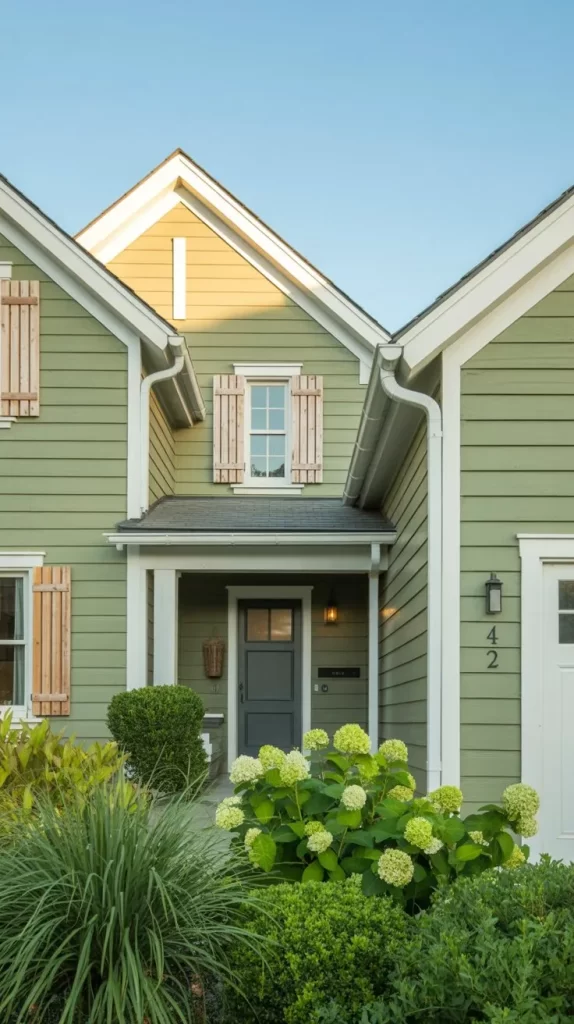
Sage green connects your home to nature, offering a calm, contemporary look that works well with white trim and wood accents.
Steps:
- Sample sage green paint on different exterior spots.
- Pair with white or cream trim for contrast.
- Add natural wood elements like shutters or a porch.
Tip:
Always view paint samples in direct sunlight and shade to ensure desired tones.
Warm Terracotta
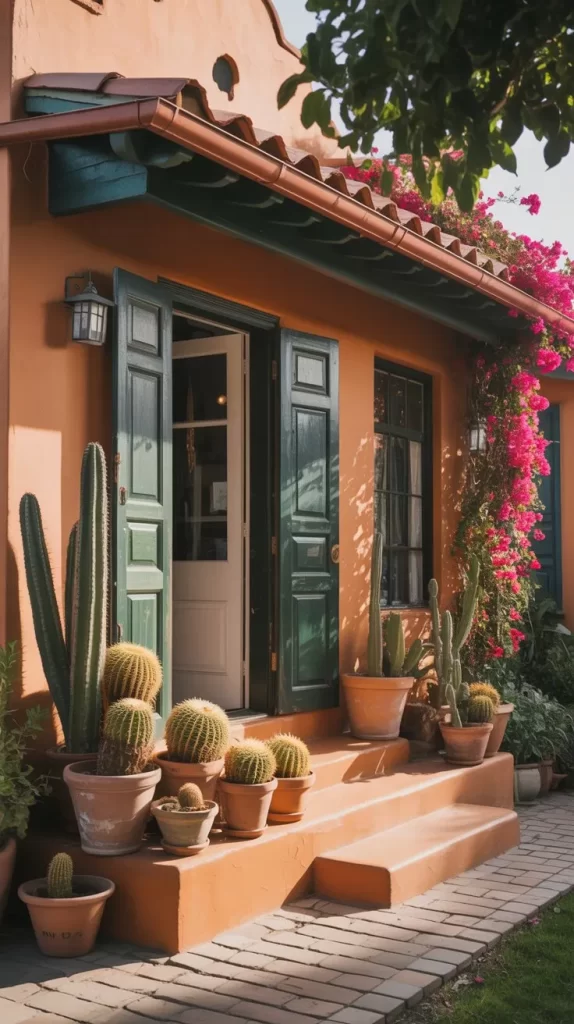
Terracotta imparts a Mediterranean or Southwestern charm, especially on stucco or brick. Its warmth exudes a welcoming, earthy vibe.
Steps:
- Clean and prep exterior surfaces.
- Apply a base coat of terracotta-colored exterior paint.
- Accent with burnt orange or dark brown trim.
Tip:
Match landscaping with similarly warm-hued plants for a cohesive look.
Coastal Breezy Blue
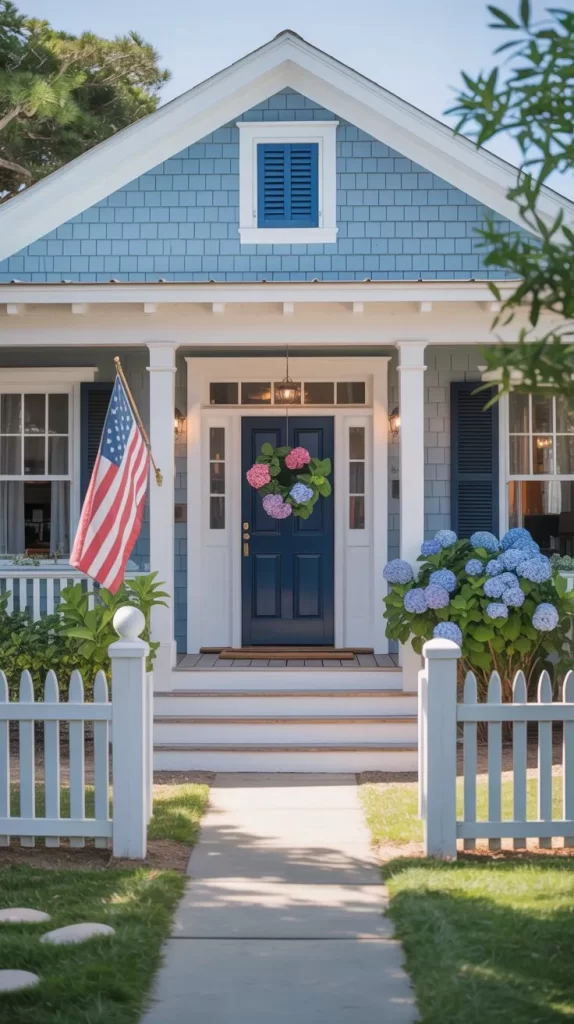
Inspired by America’s coasts, breezy blue (like Gossamer Blue) adds a cheerful, laid-back feel. Looks great with sandy beige or crisp white trim.
Steps:
- Try paint swatches on multiple elevations.
- Use white trim for windows and railings.
- Opt for navy blue accents on the front door.
Tip:
Blue tones make homes stand out in both suburban and waterfront neighborhoods.
Rich Brown
Brown shades like Urbane Bronze are sophisticated alternatives to black, providing depth and warmth. Particularly popular on modern, craftsman, or barndominium homes.
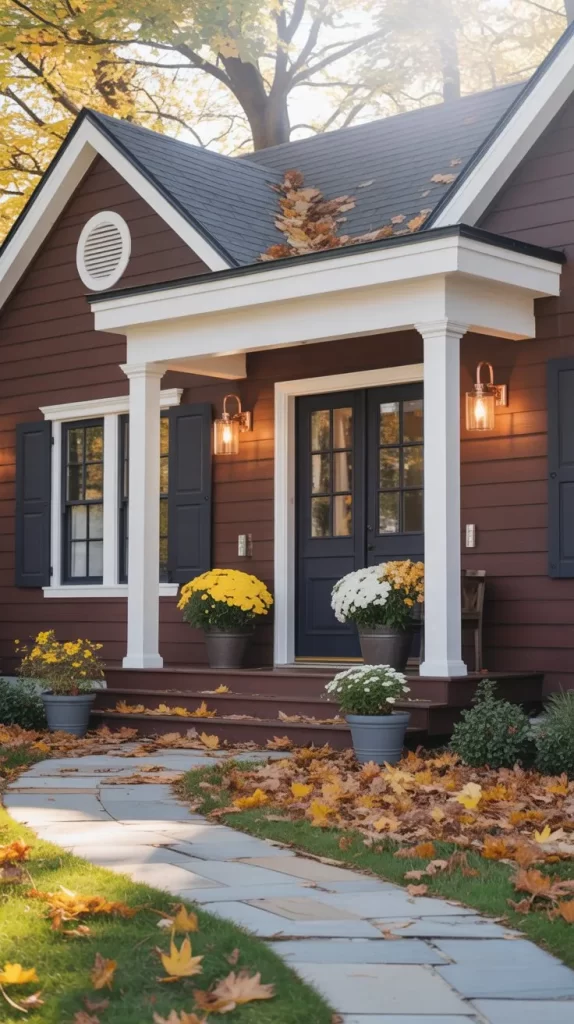
Steps:
- Select a deep, rich brown as the main hue.
- Highlight details with warm white trim.
- Add brass or copper hardware for extra pop.
Tip:
Pair brown exteriors with neutral or warm-toned roofing materials.
Modern Charcoal Gray
Charcoal gray is sleek, versatile, and works with nearly any architectural style. It pairs well with black, blue-gray, or natural wood accents.
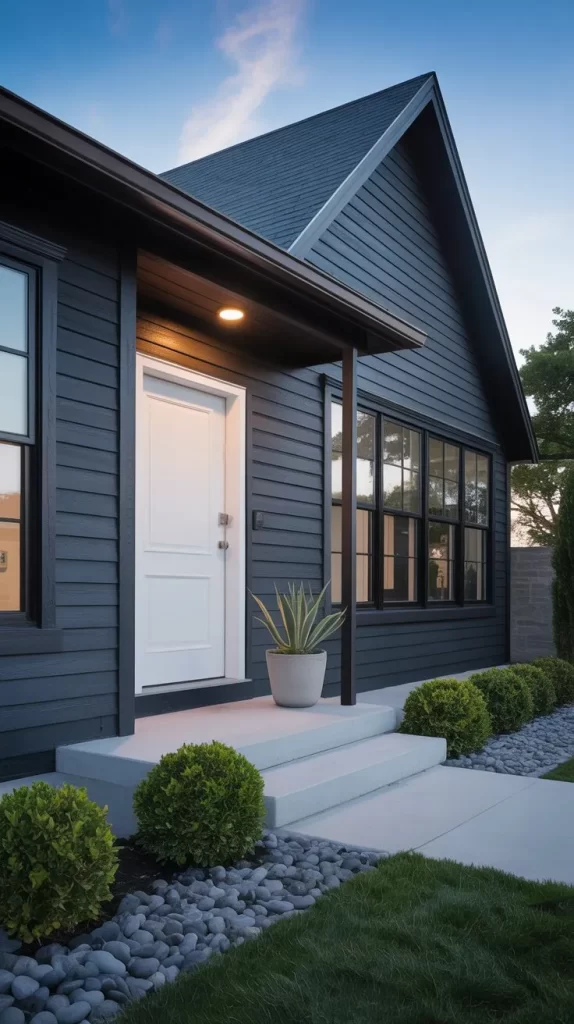
Steps:
- Apply charcoal paint for a dramatic façade.
- Use light gray or white trim to soften the look.
- Include modern elements like metal railings.
Tip:
Choose a matte finish for a contemporary, understated effect.
Calming Linen Beige
Linen beige offers a classic, timeless look that amplifies architectural lines and creates inviting curb appeal.
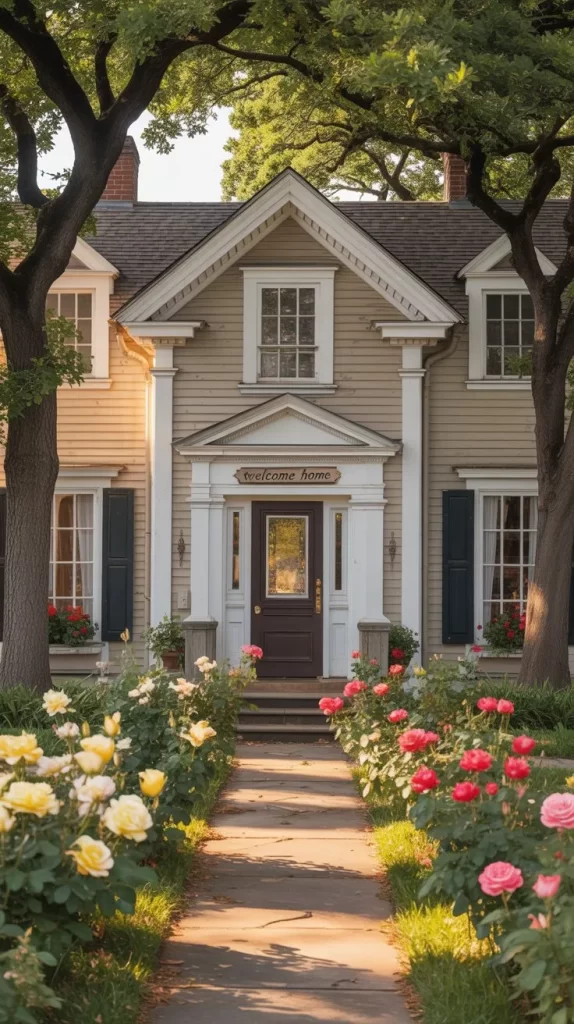
Steps:
- Paint siding in nuanced linen beige.
- Use crisp white for trims and gutters.
- Add a dark brown front door for contrast.
Tip:
Frame beige siding with contrasting windows or roof for visual depth.
Inviting Warm White
Warm whites like White Dove create a fresh, airy exterior, ideal for both new builds and classic homes.
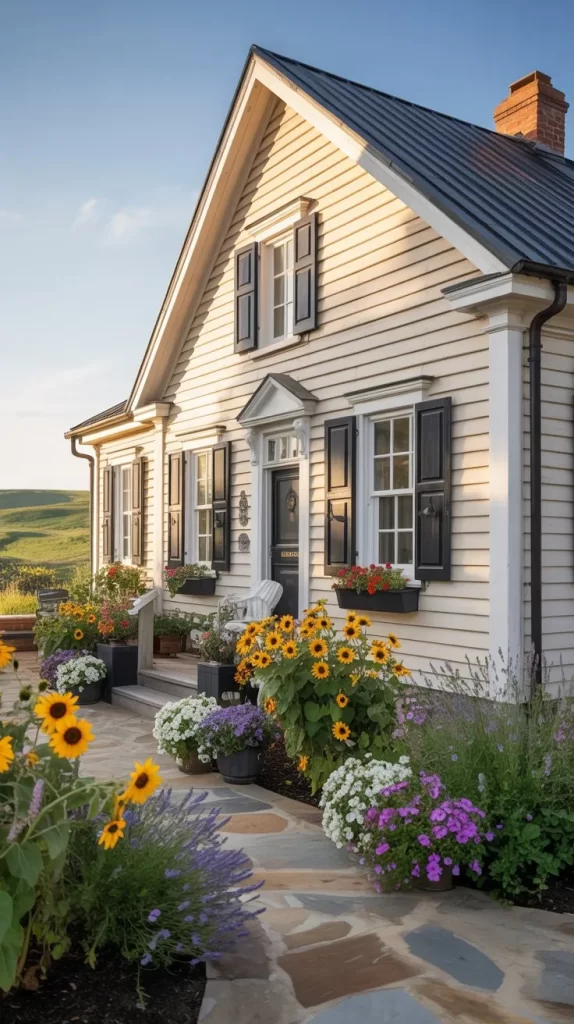
Steps:
- Choose a warm white over pure or blue-tinged whites.
- Paint trim and details slightly lighter or darker for subtle contrast.
- Accessorize with black or brass fixtures.
Tip:
A slight off-white tone hides dust better and looks less stark in bright sun.
Soft Autumn Red
Autumn reds (like Red Rock Falls or smoky red) add energetic personality while still being grounded and sophisticated.
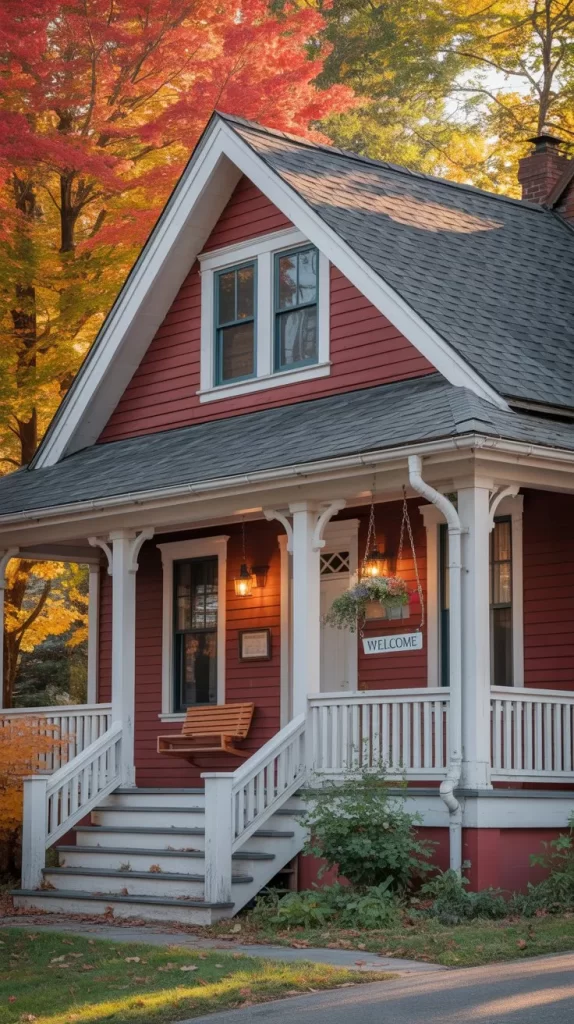
Steps:
- Go for a muted, earthy red instead of bright cherry red.
- Cap with crisp white trim and railings.
- Use coordinating brown or gray for the roof.
Tip:
Use sparingly on homes with lots of architectural details to avoid overwhelming the eye.
Green & Brown Earth Tones Combo
Mixing earthy greens with brown offers a modern nature-inspired palette. Use geometric blocks or vertical sections for best effect.
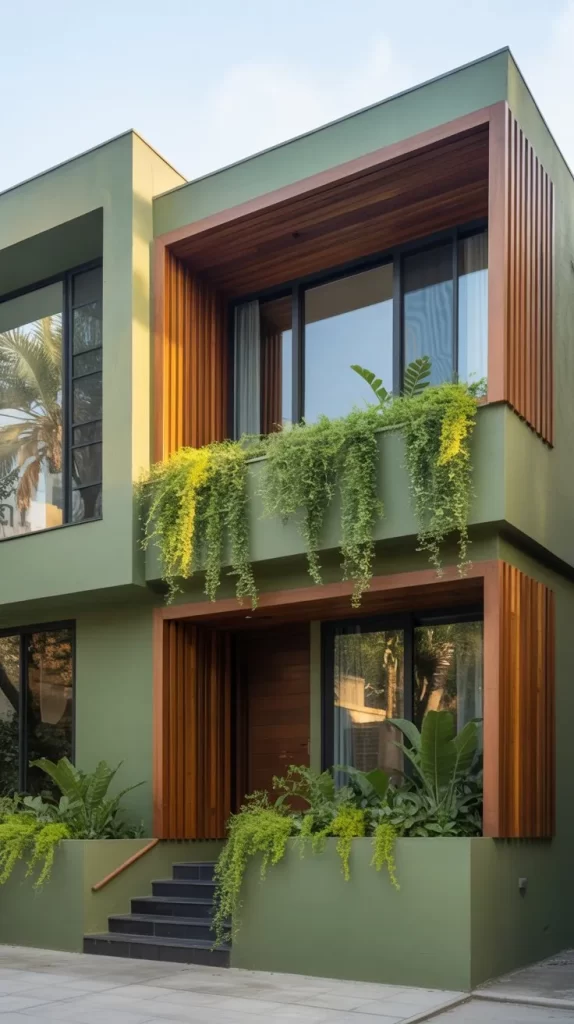
Steps:
- Segment exterior walls for color blocking.
- Paint main body green, accent with brown features.
- Soften with neutral-colored trims.
Tip:
Balance both tones evenly and complement with simple landscaping.
Statement Black
Matte and satin blacks are bold, modern, and striking, especially when balanced with white or wood trim.
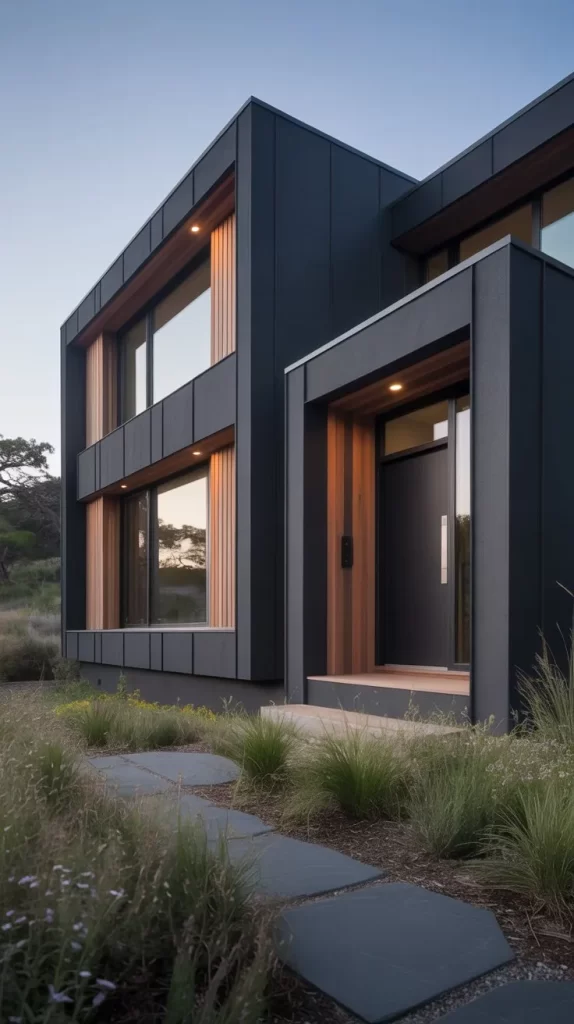
Steps:
- Choose a UV-resistant exterior black paint.
- Add pops of color with planters or a red front door.
- Light-colored or natural wood trims enhance contrast.
Tip:
Use black for exteriors only if landscaping and sunlight help prevent too much heat absorption.
Muted Flagstone Gray
Flagstone gray has a subtle blue tint, creating a coastal, sophisticated effect that fits both traditional and contemporary homes.
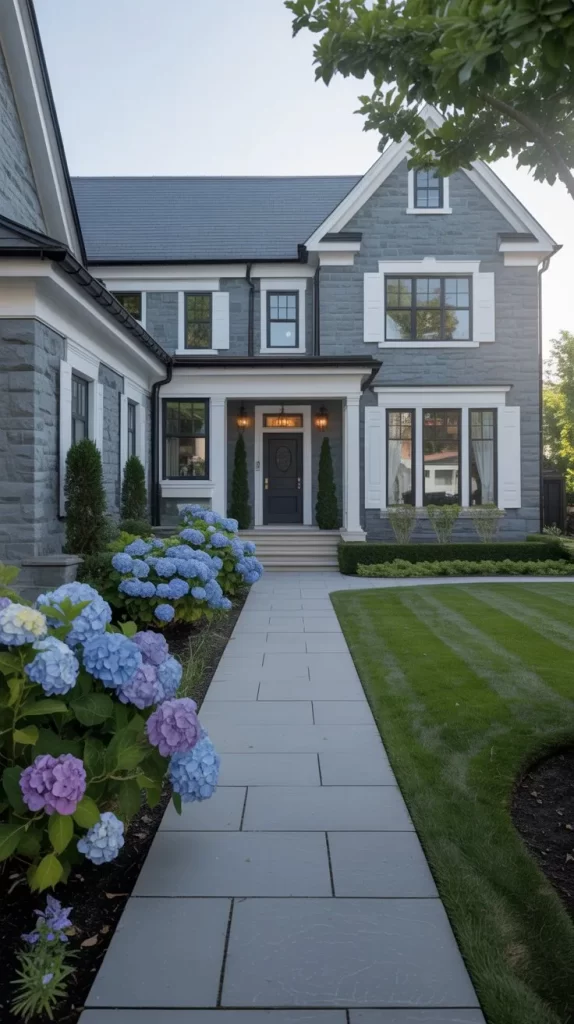
Steps:
- Try gray with slight undertones to avoid flatness.
- Pair with charcoal or crisp white detailing.
- Enhance with modern silver fixtures.
Tip:
Use gray hues to highlight unique architectural features.
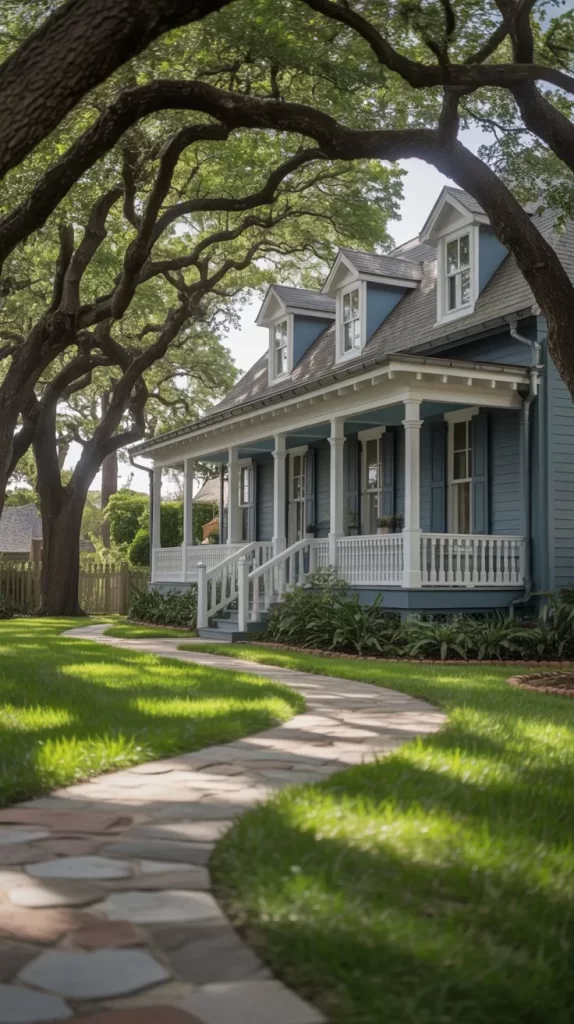
Bracing Blue-Gray
Bracing blue-grays combine the best of gray’s neutrality and blue’s freshness, evoking a cool, inviting feeling.
Steps:
- Mix primary siding in blue-gray.
- Combine with white or soft gray accents.
- Accessorize with chrome or silver hardware.
Tip:
Great for homes with lots of sunlight, as the color reads cooler and brighter outdoors.
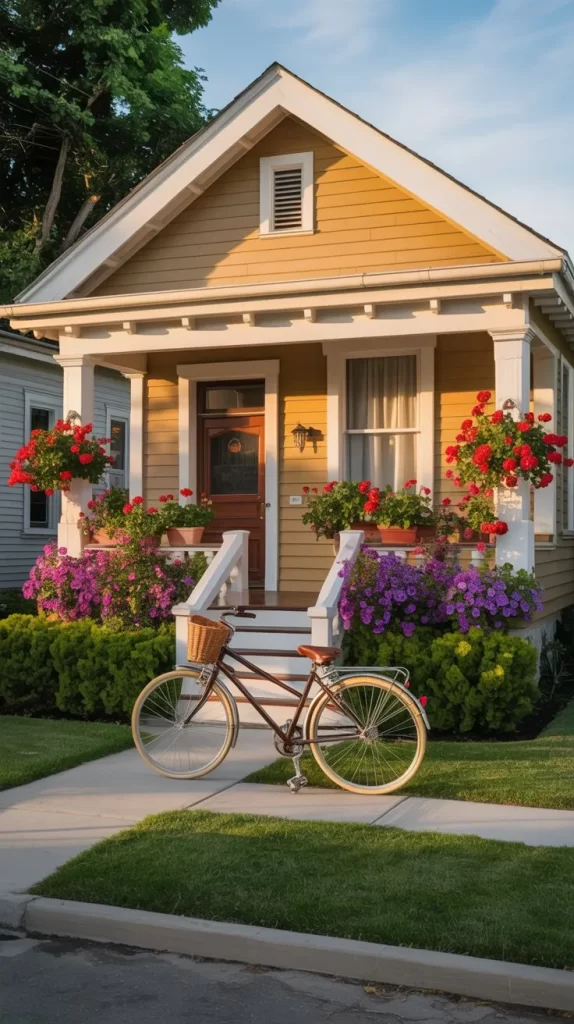
Cheerful Yellow
Bright yet refined yellows—like Caramelized Pears—capture optimism and stand out without overwhelming.
Steps:
- Use yellow on main siding, pair with white framing.
- Limit bright yellow usage to smaller homes or bungalows.
- Complement with neutral roofing.
Tip:
Choose a muted yellow for longevity and easier resale.
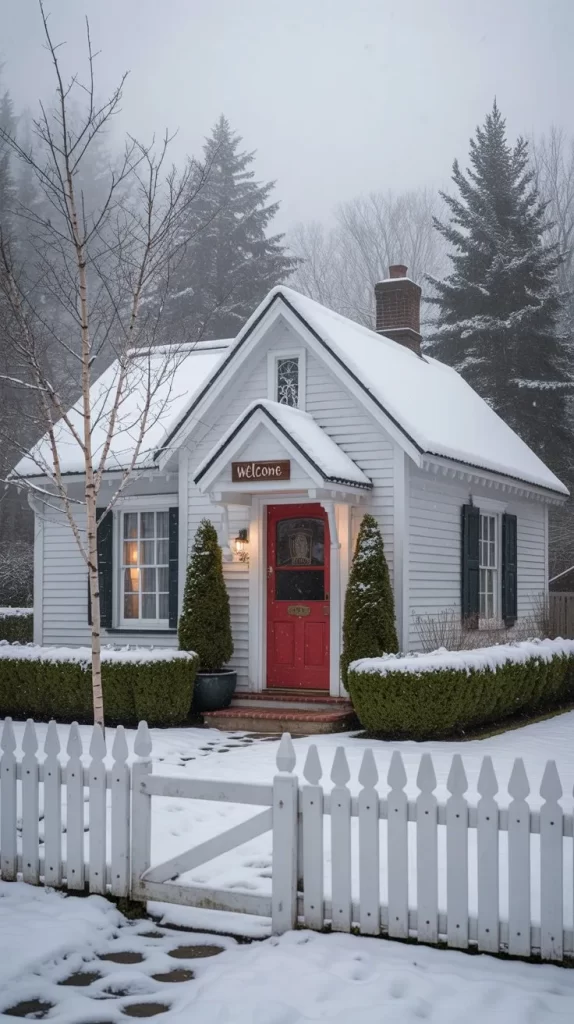
Fresh Snow White
Snow (pure white) yields a clean, classic, and uplifting exterior. Works well for small homes to create visual size.
Steps:
- Paint with ultra-white, high-durability exterior paint.
- Accent with subtle reds or greens in décor.
- Opt for light-colored shingles.
Tip:
Clean white exteriors regularly to prevent mold and dirt buildup.
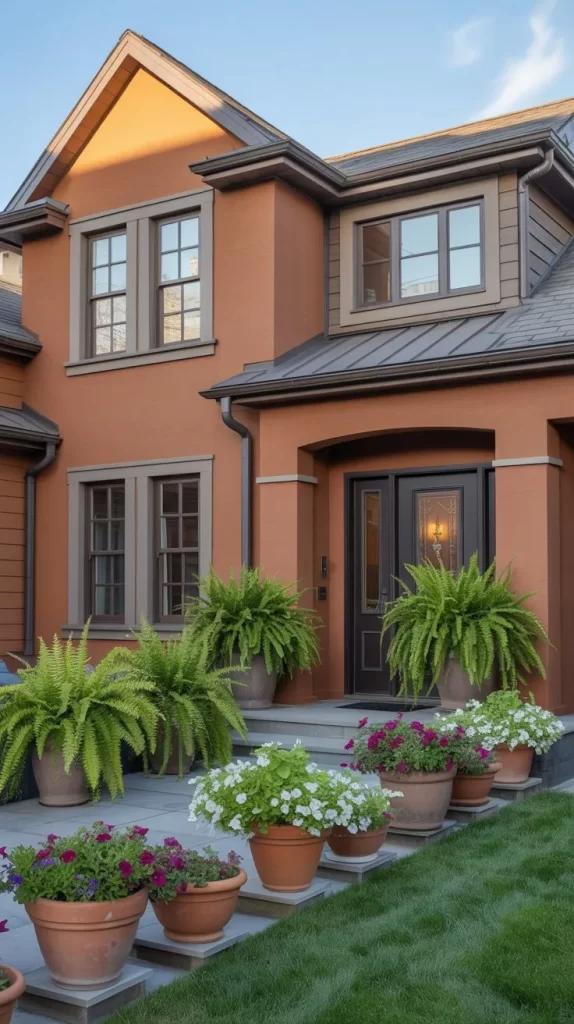
Warm Cinnamon Slate
A blend of plum and velvety brown, cinnamon slate is the trending color of 2025, balancing boldness and subtlety.
Steps:
- Use as a main exterior or for accent sections.
- Complement with taupe or muted pink trim.
- Add greenery for visual harmony.
Tip:
Pair with bronze or gold fixtures for added warmth and luxury.
Tips for Choosing Exterior Colors
- Test colors at different times of day to observe natural light effects.
- Respect neighborhood palettes and local HOA guidelines.
- Factor in climate: lighter colors stay cooler in sun-soaked regions, while darks absorb more heat for cooler climates.
- Choose top-quality, weather-resistant paints to handle US seasonal changes.
- Use 3–4 coordinated shades to highlight your home’s unique features.
By exploring these 15 trending color ideas, you’ll find a modern, stylish, and region-appropriate palette for any American home. Be bold, trust your instincts, and always test shades before committing to your exterior transformation.