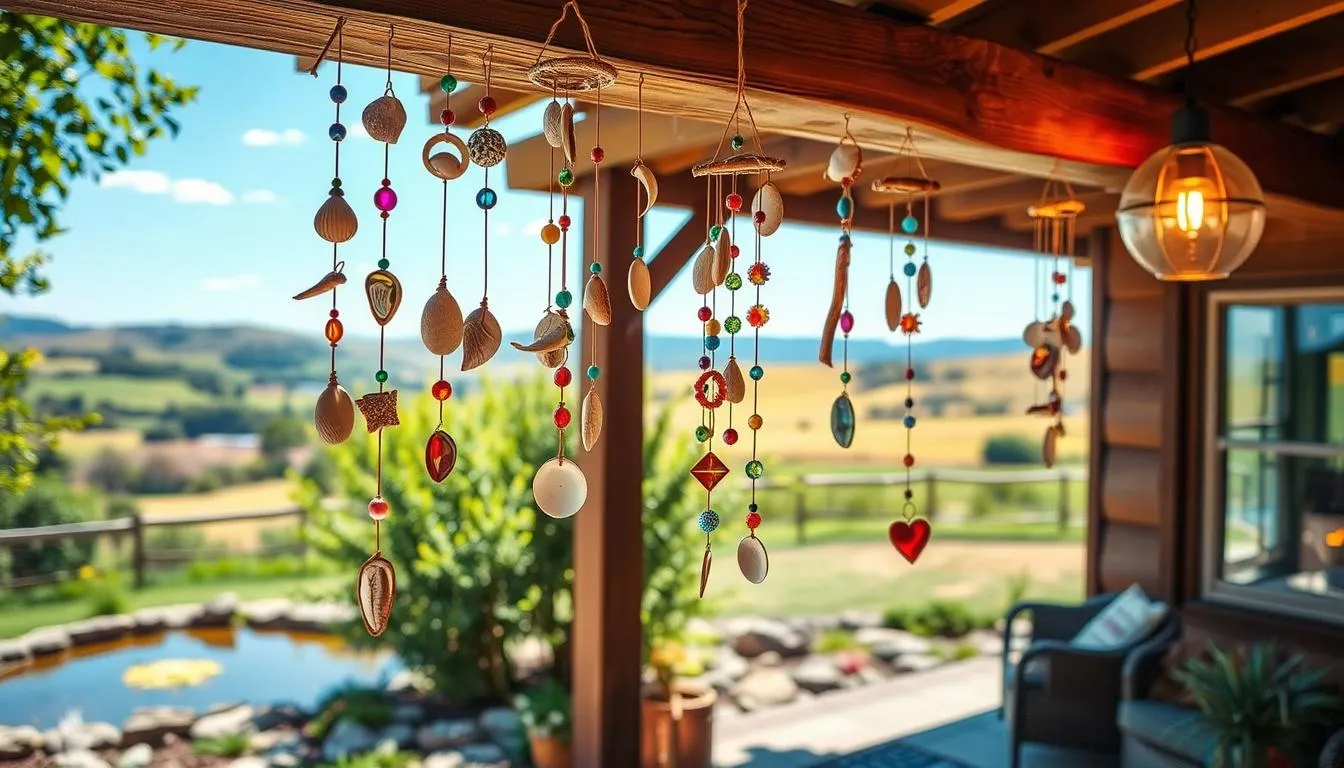
Transforming common household objects into beautiful wind chimes is a fun and creative way to elevate your outdoor decor. You can create a melodious masterpiece that reflects your personal style using DIY wind chime ideas.
By repurposing everyday items, you can create a unique and harmonious wind chime that adds a touch of elegance to your garden or porch. This project encourages you to explore your creativity and experiment with different materials and sounds.
With a little imagination, you can turn ordinary objects into a stunning wind chime that brings joy and serenity to your outdoor space.
Table of Contents
The Magic of DIY Wind Chimes
Making your own wind chimes is a therapeutic process that yields a beautiful result. By crafting your own homemade wind chime instructions, you can create a unique piece that reflects your personal style. This DIY project allows you to experiment with various materials and designs, making it a fun and creative experience.
Benefits of Creating Your Own Wind Chimes
Creating your own wind chimes offers several benefits. It allows you to personalize your outdoor or indoor space with a unique piece of art. Additionally, the process of making wind chimes can be calming and meditative, providing a healthy distraction from daily stress. You can also customize the sound and appearance to suit your preferences, making it a truly creative wind chime craft.
Understanding Wind Chime Acoustics
The sound produced by wind chimes is determined by the materials used and their arrangement. Different materials, such as metal, wood, or glass, produce distinct tones and resonance. Understanding the acoustics behind wind chimes can help you make informed decisions when selecting materials and designing your DIY project. Experimenting with various combinations can lead to a unique sound that enhances your outdoor or indoor space.
Essential Materials for Homemade Wind Chimes
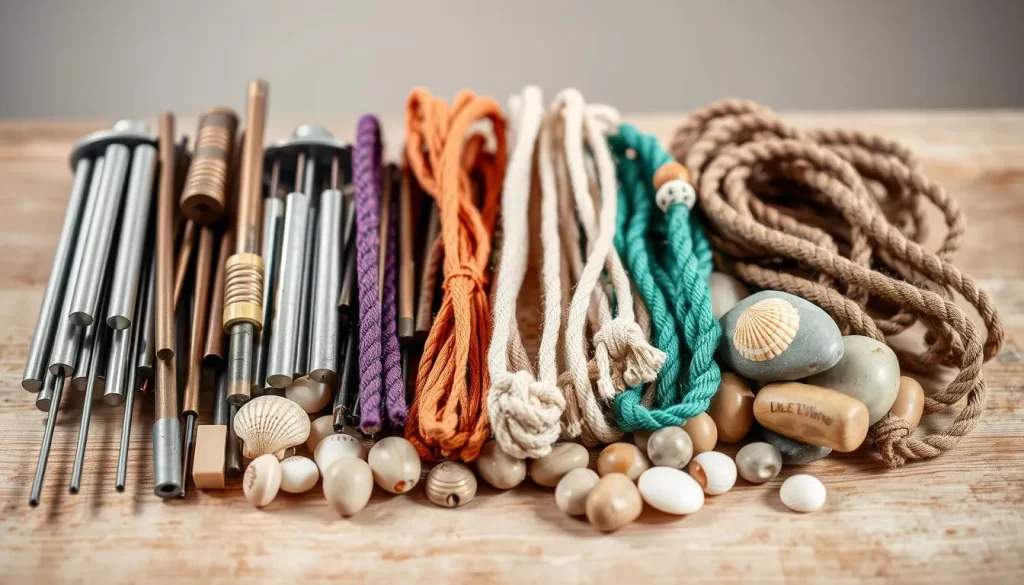
Gathering materials for your wind chime is the first step in this easy wind chime project. You can create unique and melodious wind chimes using items commonly found around the house.
Common Household Items That Make Great Chimes
Various household items can be repurposed into beautiful wind chimes. Here are some categories and examples:
Metal Objects
Metal objects like old keys, washers, or small bells can produce a clear, ringing sound. Using metal objects can add a vintage touch to your wind chime.
Glass and Ceramic Items
Glass and ceramic items, such as broken pottery or glass bottles, can create a soft, tinkling sound. These materials are perfect for a recycled materials wind chime diy project.
Natural Materials
Natural materials like seashells, driftwood, or small pieces of bamboo can add an organic, earthy feel to your wind chime. They can also produce a variety of tones when struck.
| Material Type | Examples | Sound Produced |
|---|---|---|
| Metal Objects | Old keys, washers, small bells | Clear, ringing |
| Glass and Ceramic | Broken pottery, glass bottles | Soft, tinkling |
| Natural Materials | Seashells, driftwood, bamboo | Varied tones |
Tools You’ll Need for Assembly
To assemble your wind chime, you’ll need some basic tools like wire cutters, pliers, and a drill. Having the right tools makes the assembly process smoother and more enjoyable.
Selecting Materials for the Best Sound
The sound quality of your wind chime depends on the materials you choose. Experiment with different materials to find the combination that produces the most pleasing sound. This is where you can get creative with your unique wind chime tutorials.
How to Make Stunning Wind Chimes from Everyday Items: Step-by-Step Guide
Creating your own wind chimes can be a fun and rewarding DIY project that adds a personal touch to your home decor. With a little creativity and some everyday items, you can craft unique handmade wind chime designs that reflect your style.
Planning Your Wind Chime Design
Before you start making your wind chimes, it’s essential to plan your design. Consider the space where your wind chimes will hang and the type of sound you prefer. You can draw inspiration from various upcycled wind chime ideas online or create your own unique design.
Think about the materials you have available and how they can be repurposed into melodious elements. This stage is crucial in ensuring your wind chimes not only sound great but also look appealing.
Preparing Your Materials
Once you have a design in mind, gather the necessary materials. Common household items like metal washers, keys, or small bells can make great chimes. You’ll also need a metal ring or a wooden dowel for the top structure, some fishing line or twine, and a few basic tools.
Ensure all your materials are clean and dry before you start assembling your wind chimes. This preparation will make the process smoother and more enjoyable.
Creating the Top Structure
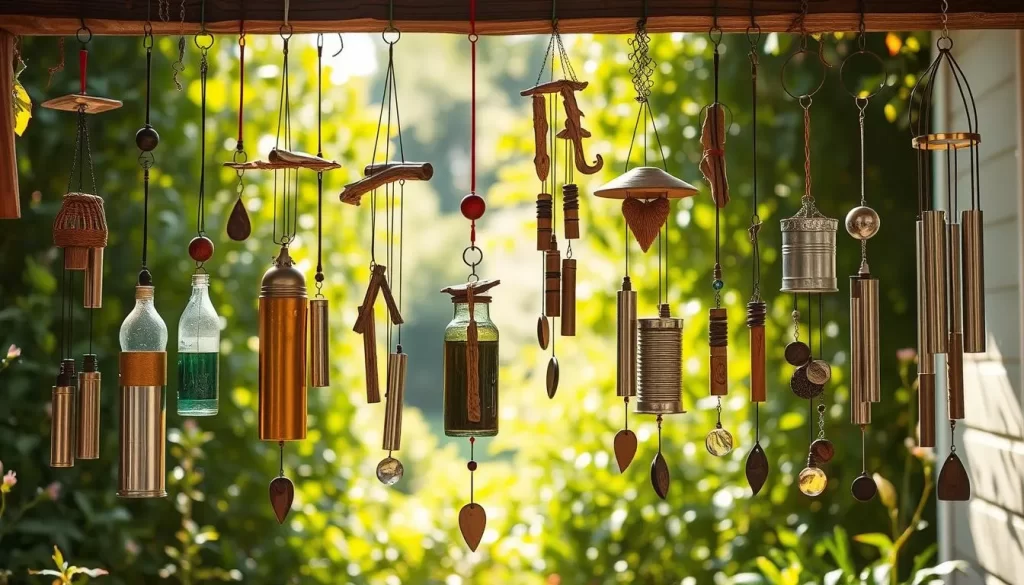
The top structure of your wind chime is crucial as it holds everything together. Use a sturdy material like a metal ring or a wooden dowel. Attach the chimes to this structure using fishing line or twine, ensuring they are evenly spaced.
This step requires some patience, but the result will be worth the effort. Your wind chimes will have a balanced look and produce a harmonious sound.
Attaching the Chimes
Attaching the chimes is where your creativity shines. Experiment with different lengths and types of chimes to achieve the desired sound. Make sure they are securely attached to prevent them from falling off.
Consider mixing different materials for a unique sound effect. For example, combining metal and glass elements can create a fascinating melody.
Adding the Striker and Wind Catcher
The striker is a crucial element that produces the sound when it hits the chimes. Choose a material that complements the sound of your chimes. A wind catcher, usually attached at the bottom, adds visual appeal and can enhance the sound by stabilizing the wind chime.
Adjust the striker and wind catcher as needed to achieve the perfect sound and balance. This final touch can make a significant difference in the overall performance of your wind chimes.
By following these steps, you can create beautiful DIY wind chime ideas that not only enhance your home decor but also provide a soothing ambiance. Enjoy the process of crafting something unique and functional from everyday items.
5 Creative Wind Chime Designs to Try
Explore the world of wind chime crafting with these 5 innovative designs that are perfect for DIY enthusiasts. You can create unique and melodious wind chimes using materials you might otherwise discard.
Silverware Wind Chimes
Transform old silverware into melodious wind chimes. Simply drill a hole in the handles or ends of forks and knives, then hang them from a metal ring. The metallic sound produced is both soothing and elegant.
Seashell and Driftwood Chimes
Create a beachy vibe with seashells and driftwood. Drill holes in the shells and attach them to a piece of driftwood or a metal rod. The ocean-worn textures add a natural beauty to your garden or porch.
Colorful Glass Bottle Chimes
Upcycle old glass bottles into colorful wind chimes. Hang the bottles from a metal frame or a wooden dowel, creating a visually striking and melodious piece. The glass produces a clear, ringing sound when struck.
Vintage Key Wind Chimes
Use vintage keys to create a unique wind chime. Attach the keys to a metal ring or a wooden dowel, creating a fascinating visual effect. The jingling sound of the keys adds a playful touch.
Ceramic and Pottery Shard Chimes
Repurpose broken ceramics or pottery into wind chimes. Drill holes in the shards and hang them from a metal rod or a wooden frame. The fragments create a beautiful, mosaic-like effect, and the ceramic sounds add depth to the chime.
These creative wind chime crafts not only provide a fun DIY project but also result in unique wind chime tutorials that you can proudly display in your home or give as gifts.
Displaying and Optimizing Your Wind Chimes
Now that you’ve created your beautiful wind chimes, it’s time to find the perfect spot to display them. Displaying your wind chimes in the right location can significantly enhance their sound and visual appeal.
Finding the Perfect Location
When choosing a location for your wind chimes, consider areas with a gentle breeze to produce a soothing sound. Avoid placing them near obstacles that could dampen the sound or cause the chimes to collide. For easy wind chime projects, a spot near a window or under a covered porch works well.
Tuning for the Best Sound
To optimize the sound of your wind chimes, you may need to adjust their tuning. Experiment with different lengths of string or the positioning of the chimes to achieve a harmonious sound. For homemade wind chime instructions, it’s essential to be patient and make adjustments until you achieve the desired tone.
Seasonal Display Ideas
Update your wind chime display seasonally to keep your outdoor decor fresh. For example, you can add seasonal decorations like pinecones for winter or flowers for spring. Here’s a simple table to plan your seasonal display:
| Season | Decorations |
|---|---|
| Spring | Flowers, pastel colors |
| Summer | Seashells, bright colors |
| Autumn | Pinecones, leaves |
| Winter | Pine branches, fairy lights |
By following these tips, you can enjoy your wind chimes throughout the year and keep your outdoor space looking fresh and inviting.
Conclusion
Now that you’ve learned how to make stunning wind chimes from everyday items, it’s time to get creative and start your DIY project. With the knowledge gained from this article, you can create unique handmade wind chime designs that reflect your personal style.
By repurposing common household items, you can craft beautiful wind chimes that not only produce a soothing sound but also add a touch of elegance to your outdoor or indoor space. So, gather your materials, unleash your creativity, and enjoy the process of creating something truly special.
As you experiment with different materials and designs, you’ll discover the joy of crafting something with your own hands. Your handmade wind chimes will become a reflection of your creativity, and you’ll appreciate the unique sound they produce.